Project Background
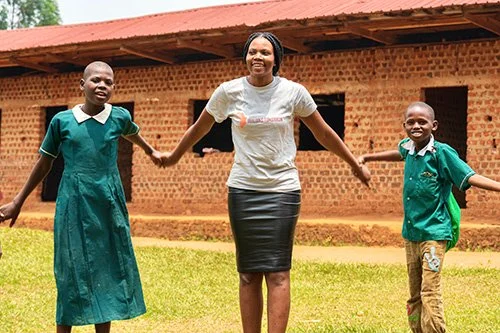
Building Tomorrow (BT) is a leading education NGO in Uganda and Rwanda, dedicated to enrolling out-of-school children and helping marginalized primary students master the basic academic skills they need to thrive. At the heart of BT’s work is Roots to Rise—a proven model of short, targeted learning camps that close skill gaps in literacy and numeracy. This “Teaching at the Right Level” (TaRL) approach has been shown across the globe to dramatically improve learning outcomes, giving children the foundation for lifelong learning and opportunity.
BT delivers Roots to Rise through an innovative Fellowship program, recruiting top Ugandan college graduates for two years of service. Each Fellow works with four schools, training teachers and mobilizing Community Education Volunteers (CEVs) to run learning camps both in schools and in villages. Over two years, a Fellow and their team can run more than a hundred camps—helping hundreds of children get back on track.
The model works. But recent analysis revealed something striking: not all schools and communities are receiving the same number of camps. Some deliver the full program, others far fewer. And this matters—because when dosage drops, so does impact. Closing this gap could unlock significantly greater learning gains across thousands of children.
Definition of Success
The Spring 2026 project offers a Notre Dame student team the opportunity to conduct a structured, policy-oriented analysis of CES’s transition toward greater organizational independence. The project will examine available legal frameworks, financing structures, and governance arrangements to establish a new legal and fiscal representation in the United States to support its work in Mexico. The project hopes to explore options for establishing support for international mechanisms, particularly in the US, that will best support long-term organizational survival and effectiveness.
Definition of Opportunity
This project zeroes in on a critical organizational challenge: Why is there so much variation in camp delivery? And how can BT ensure that every child, no matter where they live, receives the full benefit of the program?
Working in partnership with BT and Notre Dame faculty, the student team will contribute to a mixed-methods study to:
Analyze BT’s rich monitoring and survey data
Conduct interviews with former Fellows and BT stakeholders
Identify barriers and enablers that explain why some schools run more camps than others
Co-develop recommendations to improve consistency and maximize impact
The findings will directly shape BT’s program design and strategy—helping ensure thousands more children across East Africa learn the foundational skills they need to be successful in school and life.