Project Background
Globally, the number of youth caregivers is unknown. In the US alone, however, an estimated 1.6 million young people care for loved ones. Given the burden of HIV and other chronic illnesses in global majority settings, this number is expected to be much higher in other locations across the world.
Research from the HIV epidemic has shown that caregiving at a young age places immense stress on children or adolescents. In low-resource settings, these young caregivers are often forced to give up their education. Furthermore, they face a greater risk of exposure to poverty and community violence. The Hidden Toll of Care Giving on Youth Care Givers
According to the WHO Palliative Care, palliative care is a supportive approach that aims to prevent and relieve health-related suffering of adults, children, and their families facing problems associated with life-threatening illness. It is based on a comprehensive and person-centered approach, addressing physical, psychological, social, and spiritual suffering. This includes socioeconomic support for patients and families who are often among the poorest in the community due to challenges in earning income, given their serious illness.
In Uganda, palliative care patients reported that their most significant concerns were not physical pain, but rather the distress of knowing their children would be left without support and would likely have to drop out of school with no hope for the future. Palliative care nurses raised the need to address this suffering among their patients and their families.
Definition of Success
The Spring 2026 project offers a Notre Dame student team the opportunity to conduct a structured, policy-oriented analysis of CES’s transition toward greater organizational independence. The project will examine available legal frameworks, financing structures, and governance arrangements to establish a new legal and fiscal representation in the United States to support its work in Mexico. The project hopes to explore options for establishing support for international mechanisms, particularly in the US, that will best support long-term organizational survival and effectiveness.
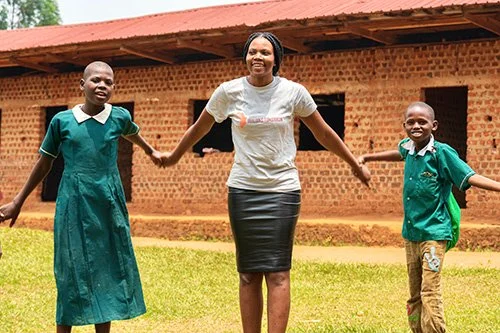
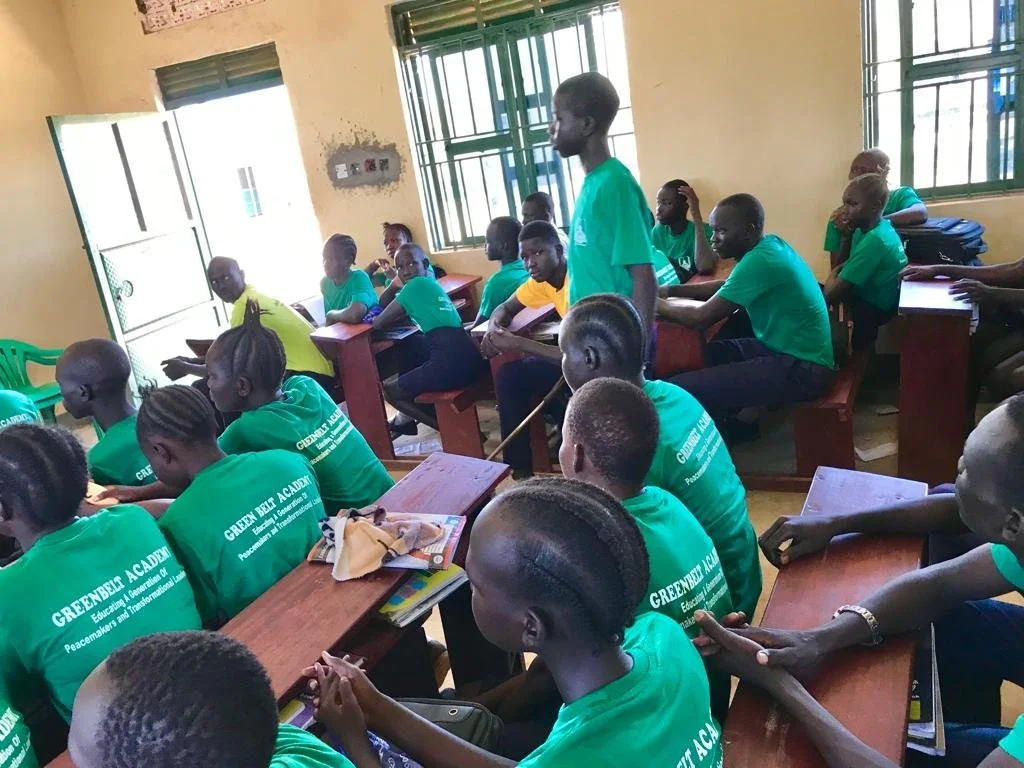
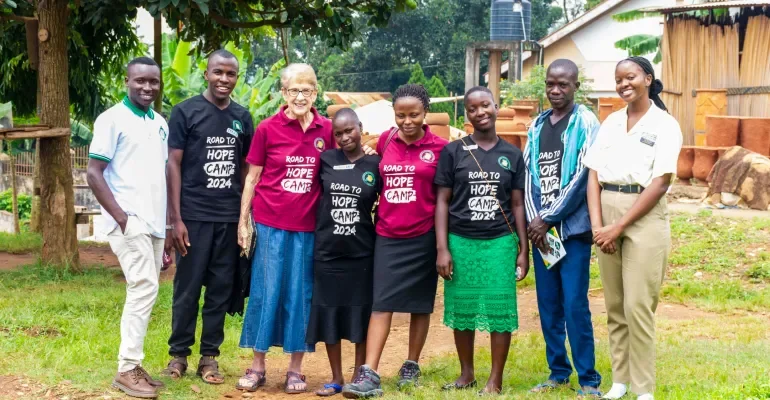
Road to Hope Program: In response, the Palliative Care Association of Uganda (PCAU) launched the Road to Hope (RTH) Program in 2012, in partnership with the Center for Hospice Care (USA). This education-focused program supports young caregivers from impoverished backgrounds so they can remain in school while caring for chronically ill parents. The children are identified in collaboration with palliative care practitioners in the community, enrolled in appropriate schools, and supported with school fees and requirements, medical care, psychosocial, spiritual, and child protection services.
Integrating social and economic interventions in palliative care programming is important in addressing inequalities and exclusion of indigent families and can greatly contribute to better access to health care services while also acting as a tool for poverty alleviation, especially across generations.
Definition of Opportunity
Global Partners in Care and the Palliative Care Association of Uganda aim to evaluate the Road to Hope Program to identify best practices, enabling the global expansion of support for child caregivers. While assessing this work, please identify the key factors of this program that should be highlighted for palliative care organizations considering implementation in other contexts, and develop a framework for creating programs for child caregivers. Furthermore, identify possible funding sources that could be used to fund such programs across the world.