
Project Background
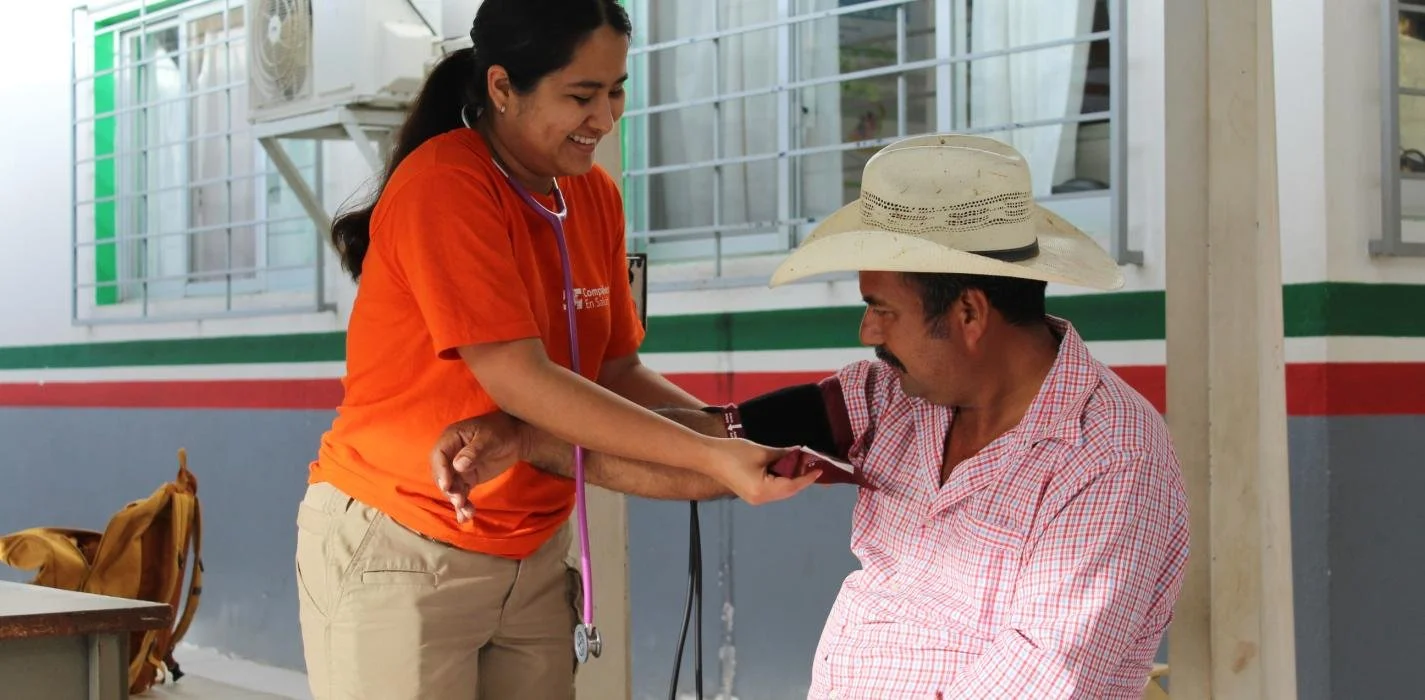
Compañeros en Salud (CES) was founded as the Mexican sister organization of Partners In Health (PIH) and delivers high-quality, accompaniment-based care in rural, resource-constrained communities in Chiapas. CES is a multidisciplinary organization that provides primary healthcare across all three levels of care, along with social support services grounded in a preferential option for those most in need. Its work emphasizes patient-centered care delivered with dignity and guided by a strong commitment to equity.
As global health funding becomes increasingly uncertain and U.S.-based support for international health initiatives faces growing political and financial constraints, PIH has indicated that CES must move toward greater institutional, financial, and governance independence from its historical relationship with the U.S.-based organization. This transition raises complex questions about how CES can sustain its model of care, protect quality and equity, and establish a more independent organizational identity within Mexico and abroad, especially in the United States.
This DAT project builds on prior collaboration between Notre Dame students and CES, including work to develop and translate inventories of CES healthcare delivery innovations for policy audiences. Whereas that earlier work emphasized applied outputs and partner-facing deliverables, the Spring 2026 project shifts toward deeper analytical inquiry and institutional evaluation intended to inform CES’s ongoing organizational transition.
Definition of Success
The Spring 2026 project offers a Notre Dame student team the opportunity to conduct a structured, policy-oriented analysis of CES’s transition toward greater organizational independence. The project will examine available legal frameworks, financing structures, and governance arrangements to establish a new legal and fiscal representation in the United States to support its work in Mexico. The project hopes to explore options for establishing support for international mechanisms, particularly in the US, that will best support long-term organizational survival and effectiveness.